
Condensate Pots (Seal Pots): Stainless & Carbon Steel, US-Serving Manufacturer
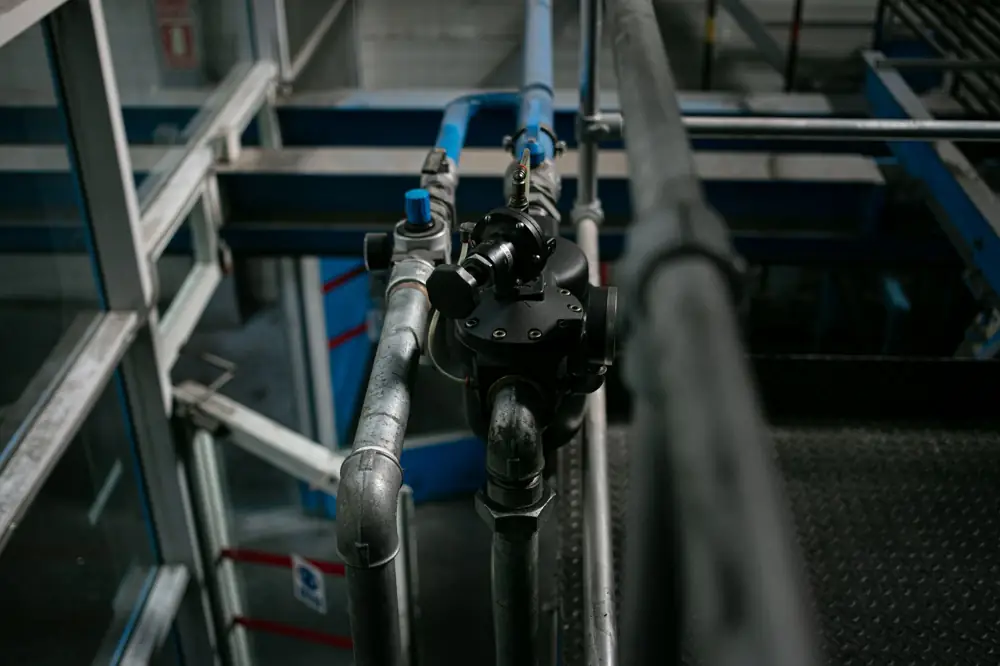
A condensate pot is a welded instrumentation pressure vessel that sits on a steam or hot-vapor line ahead of a pressure, differential-pressure, or flow instrument. It collects condensate and holds a cool, stable liquid seal that keeps hot vapor away from the instrument. It also traps rust and scale, so readings stay accurate.
Crestflo builds condensate pots in carbon steel and stainless steel, with socket-weld or screwed ends and Sch 40 / 80 / 160 bodies. Every unit is heat-number traceable. Crestflo serves US customers and delivers in 6-8 weeks.
On this page, "condensate pot" refers to an instrumentation seal or collection vessel on a process line. It isn't an HVAC condensate drain pan, and it's a different thing entirely from a steam-trap drip leg on the steam main. The Crestflo Engineering Team reviewed this definition.
What a Condensate Pot Is (Seal Pot, Condensing Pot & Liquid Seal Vessel)
A condensate pot is a small pressure vessel plumbed into the impulse line between a process tap and an instrument. It cools the process fluid and holds a protective liquid seal. Hot steam or vapor rises from the tap, enters the pot, cools, and drops out as condensate that pools in the body. That standing liquid becomes a cool leg: a stable column of cool liquid that transmits process pressure faithfully to the transmitter. Meanwhile, the heat, along with the corrosive debris it carries, stays behind in the pot. The instrument never sees live steam temperature. Its diaphragm and internals stay protected, and its calibration holds over a longer service life.
The pot doubles as a settling chamber. Rust, mill scale and particulate drop to the bottom of the body instead of working their way into the instrument or the fine bores of a manifold. A bottom drain lets an operator blow down the collected sludge during maintenance, and an optional top vent or fill port lets the pot be primed with liquid at commissioning. The device is entirely mechanical. It runs on gravity, condensation and a liquid column alone, no electronics, no moving parts.
On a datasheet, one distinction actually matters. A condensate pot, also called a seal pot, protects an instrument. It does this by holding a liquid seal on the impulse line. A steam-trap drip leg does something else entirely: it drains condensate from the steam main itself. Related concept, different job. And a condensate pot isn't an HVAC condensate drain pan, nor is it a compressed-air receiver.
Also Known As: Seal Pot, Steam Condensate Pot, Condensate Chamber & Drip Pot
Process and instrumentation documents call this component by a long list of names, and the same vessel can show up under any of them. Engineers use a seal pot, condensate seal pot, condensing pot, liquid seal pot, steam condensate pot, condensate drip pot, steam drip pot, or just a drip pot (not to be confused with a steam-trap drip leg). Others prefer a condensate chamber, condensate collection pot, condensate collection chamber, condensate collecting pot, condensate collection vessel, condensate reservoir, or an instrument condensate pot. No UNS, Werkstoff, or trade name exists for this fabricated accessory. Nor does any ASTM product-form specification name a "condensate pot." It's a made-to-spec vessel, built to the pipe or plate specification of its components and governed by its design code.
How a Condensate Pot Works: Cooling, Sealing & Debris Trapping
Four steps make up the working principle, and each one runs on nothing but gravity and condensation. No powered component plays a part.
| Step | What happens inside the pot |
|---|---|
| 1, Cooling & collecting | Hot steam or vapor entering the pot loses heat to the cooler body and surroundings, condenses, and pools as liquid in the vessel. |
| 2, Thermal / liquid seal | The standing liquid column forms a cool leg that isolates the instrument from live steam temperature while still coupling it to process pressure. |
| 3, Debris trapping | Rust, scale and particulate settle to the bottom of the body instead of reaching the transmitter or the manifold bores. |
| 4, Pressure transmission | The steady liquid column transmits process pressure smoothly and repeatably to the instrument diaphragm, keeping the reading stable. |
Picture the hook-up sequence along the impulse line in a typical condensate pot installation diagram: it starts at the process tap, moves to a gauge root / isolation valve, then to the condensate pot, on to a manifold, and finally to the transmitter. For a differential-pressure measurement, you fit a pot on each leg, so both impulse lines carry matched, filled seal legs. What actually preserves dP accuracy? Priming the pots with liquid at start-up, then keeping the two legs level with each other.
Where Condensate Pots Are Installed: Steam Lines, dP & Flow Transmitters
Condensate pots go in ahead of pressure, differential-pressure, and flow instruments any time the process fluid is steam or a hot condensable vapor. Without one, that vapor would cook the instrument or foul the impulse line. Common service includes:
- Steam pressure and flow measurement. This protects a pressure transmitter, or an orifice/dP flow transmitter, on a steam header or process steam line.
- Differential-pressure level and flow. Two matched pots form the seal legs of a dP hook-up here, covering reboiler and column level service too.
- Hot-vapor process lines. Any hot condensable service applies. A cool, debris-free liquid seal keeps the instrument accurate and stretches its life.
You'll find these duties across power generation and nuclear plants. They show up just as often in oil and gas operations, in petrochemical and chemical plants, and in refining facilities. Even steam-tracing distribution systems rely on them.
Condensate Pot Specifications: Materials, Connections, Schedule & Traceability
Values here match the applicable industry standard, and you can adjust them to fit your needs. Crestflo-specific ordering codes and certified per-build ratings get confirmed on your RFQ.
| Attribute | Value |
|---|---|
| Function | Collects condensate and forms a cool liquid seal that protects a pressure / dP / flow instrument and traps debris |
| Product class | Instrumentation accessory, impulse-line / hook-up seal vessel |
| Configuration | Welded pressure vessel; vertical or horizontal; single- or dual-tap; body size, volume or capacity, drain and optional vent, built to specification |
| Materials | Carbon steel and stainless steel standard; 304/304L, 316/316L and high-nickel / CRA alloys made-to-spec |
| End connections | Socket-weld and screwed (threaded / NPT); flanged made-to-spec |
| Pipe schedule | Sch 40 / 80 / 160 |
| Thread standard | NPT per ASME B1.20.1 on screwed ends |
| Component dimension standard | Socket-weld and threaded component dimensions per ASME B16.11 |
| Working pressure | Governed by schedule, material and design code (e.g. ASME B31.1 / B31.3 and the ASME B16.11 class basis); rating confirmed per build |
| Temperature range | Suited to steam and hot-vapor service; limited by the selected material; per applicable standard |
| Drain / vent | Bottom drain (plug or drain valve) for blow-down; optional top vent / fill port for priming, to specification |
| Surface finish | Material finish standard; passivation on stainless; oxygen / UHP cleaning available on request |
| Testing available | In-house NDT and hydraulic proof; PMI on alloy; destructive testing at ISO/IEC 17025 labs; third-party inspection on request |
| Traceability | Heat/lot number on every part + EN 10204 3.1 MTC standard (3.2 on request) |
| Sour service | NACE MR0175 / ISO 15156 material requirements in compliant alloys |
| Origin | Indian origin; US / European melt available on request, with full material traceability |
| Delivery | Ready stock for standard items · made-to-order for specials · 6–8 week delivery |
End Connection & Schedule Options: Socket-Weld, Screwed NPT, Sch 40/80/160
| Detail | Governing standard | Notes |
|---|---|---|
| Socket-weld ends | ASME B16.11 | Welded impulse-line connection for a permanent, leak-tight joint |
| Screwed / NPT ends | ASME B1.20.1 | Threaded taps; BSP and custom threads available on request |
| Pipe schedule | Sch 40 / 80 / 160 | Wall thickness selected for the design pressure and temperature |
| Flanged ends | Applicable flange spec / ASME class | Made-to-spec option for larger or bolted-connection hook-ups |
Condensate Pot Materials: Carbon Steel, 316/316L Stainless & High-Nickel Alloys
Condensate pots come in two standard materials: carbon steel and stainless steel. Carbon steel works fine for general steam service, provided the condensate isn't corrosive. When corrosion resistance, cleanliness, or a material match to the impulse-line tubing matters, engineers specify stainless steel 304/304L or 316/316L instead. Sour service, chloride-laden environments, or other aggressive conditions call for something tougher: a corrosion-resistant or high-nickel alloy. You'll find each grade discussed in full on its own material page. One thing worth noting: the pot itself is sold only as an instrumentation form, meaning the fabricated vessel with its valves and fittings. It isn't available as bar, plate, pipe, or mill product.
- 316 / 316L stainless: the standard stainless grade for corrosive environments or clean steam condensate.
- 304 / 304L stainless, general stainless service.
- 904L, Duplex 2205 and Super Duplex 2507, these bring more strength and better resistance to chloride and pitting.
- Inconel 625, Inconel 825, Monel 400 and Hastelloy C-276, nickel alloys built for sour, acidic or high-heat service.
For sour service, Crestflo supplies pots in compliant alloys that meet NACE MR0175 / ISO 15156 material requirements, matched to your service conditions. Take a look at the full range on the materials hub. Under US scope, though, brass, aluminum and copper aren't offered as condensate-pot materials.
Selecting a Condensate Pot vs a Siphon, Manifold or Root Valve
Steam instrumentation is built from several parts that work together, and picking a condensate pot over its neighbors comes down to what the job actually needs. A condensate pot belongs on a hot-vapor line that needs both a cool liquid seal and a spot for debris to settle before it reaches a transmitter or dP hook-up. If the instrument is just a pressure gauge on steam, though, a coil or pigtail siphon does the same cooling job with less hardware. Crestflo rounds out the rest of the assembly with the remaining hook-up components:
| Component | Role in the hook-up | Link |
|---|---|---|
| Gauge root / isolation valve | Isolates the instrument at the process tap | gauge root valve |
| 3-valve / 5-valve manifold | Isolate-and-equalize block for a dP transmitter | 3-valve · 5-valve |
| Siphon (pigtail / coil) | Alternative cool leg for pressure gauges | syphons |
| Snubber | Damps pulsation and pressure spikes | snubbers |
| Gauge saver | Over-range protection for gauges | gauge savers |
Standards, Quality & Traceability for Condensate Pots
Crestflo holds ISO 9001 / 14001 / 45001 & PED certification, plus the standard approvals that apply to instrumentation products. No certificate numbers appear on this page. They're on file, though, and available through the quality pages.
Every condensate pot carries a heat/lot number and ships with an EN 10204 3.1 material test certificate as standard (3.2 on request), see traceability and the EN 10204 MTC reference. Socket-weld and threaded component dimensions follow ASME B16.11, and NPT threads follow ASME B1.20.1. Sour-service builds meet NACE MR0175 / ISO 15156 in compliant alloys. Available in-house testing includes hydraulic proof, PMI on alloy material and non-destructive examination, with destructive testing routed to ISO/IEC 17025-accredited labs and third-party inspection on request. Passivation on stainless and oxygen / UHP cleaning are available where the service demands it.
Order a Custom Condensate Pot: Built to Your Spec
To quote a condensate pot, send the material, end connection and schedule, body size, volume or capacity, tap arrangement (single or dual), drain and vent detail, and the service conditions, or send a general-arrangement drawing or datasheet and the vessel is fabricated to that specification. Crestflo builds made-to-print with a small minimum order quantity and offers private-label supply for OEMs. Datasheets and CAD models are available to customers on request. For condensate pot price, cost, dimensions or a unit for sale, request a quote, each pot is quoted per configuration rather than a fixed list price, and the ordering-code guide is available from our engineering team.
- Request a quote, end users, MRO, EPC and panel fabricators.
- Request a sample, evaluate build quality before you commit.
- Contact our engineers: send a print and get a made-to-print pot, or ask about the distributor program.
US sales contact: sales@crestflousa.com · +1 346 594 9005 (Houston, TX).
Why Buy Condensate Pots from Crestflo
Crestflo is a condensate pot manufacturer and US-serving supplier. It's the instrumentation arm of an export house that's been recognized by the Government of India for four decades, with a long track record of deliveries into the Middle East and engineering depth now applied to a US-facing product line. For seal pots that translates into a 6-8 week lead time, against the 20-plus weeks typical of the major players. It means carbon steel, stainless and the full alloy range, where most competitors stop at stainless only. Every part carries heat-number traceability and an EN 10204 MTC. Machining, NDT and hydraulic proof all happen in-house, and the company works with small MOQs, made-to-print orders and private-label arrangements. Origin is Indian, though US and European melt can be arranged on request, with full material traceability throughout. We Engineer Confidence.
Condensate Pot FAQ
What does a condensate pot do?
It collects condensate and forms a cool, stable liquid seal on the impulse line. That seal shields the pressure or differential-pressure instrument from hot steam and vapor. It also traps rust and scale, so the instrument reads accurately and lasts longer.
How does a condensate pot work?
Vapor enters the pot hot, then cools and pools as liquid. That standing column becomes a thermal barrier, a cool leg, carrying process pressure to the transmitter while keeping heat and debris off its diaphragm. No moving parts. It's nothing more than gravity and the weight of that liquid column at work.
What is the difference between a condensate pot and a steam-trap drip pot or drip leg?
A condensate pot, also called a seal pot, protects an instrument. It does this by holding a liquid seal on the impulse line running to a transmitter. A steam-trap drip leg does something else entirely: it drains condensate straight from the steam main itself. The two ideas sound alike, but the jobs aren't the same. One serves the instrument. The other serves the pipeline.
Condensate pot vs siphon (pigtail), which do I need?
A siphon, also known as a pigtail or coil, functions as a cooling loop, used mainly ahead of pressure gauges. The condensate pot works differently: it's a collection vessel placed ahead of transmitters and dP hook-ups, where a settling volume for debris and a defined liquid level matter too. Check out Crestflo's syphons page for the gauge cool-leg option.
What materials and connections are available for condensate pots?
Carbon steel and stainless steel are the standard materials. They come with socket-weld or screwed (NPT) ends, in Sch 40, 80, or 160 bodies. For other needs, alloys like 304, 304L, 316, 316L, and high-nickel or CRA grades can be made to spec, and flanged connections are also offered as a made-to-spec option.
What is the pressure and temperature rating of a condensate pot?
It's set by the schedule, material and design code, take the ASME B31.1 / B31.3 and ASME B16.11 class basis as an example, and by the temperature limit of whatever material gets selected. Values follow the applicable standard, and they can be adjusted to fit requirements. The confirmed rating for your specific configuration comes with the quote.
Do you provide material certificates for condensate pots?
Yes. Every pot comes standard with an EN 10204 3.1 material test certificate, and we can issue a 3.2 on request. Each part carries a heat or lot number stamped right on it, so full traceability is never in question. PMI backs this up, and non-destructive and hydraulic-proof testing are both available.
Are condensate pots suitable for sour service?
Yes, provided you go with alloys that meet NACE MR0175 / ISO 15156. That standard sets the compliance bar for your service conditions. For the specific material requirements, see NACE MR0175, and Crestflo can walk you through what ISO 15156- compliance means for your application.
Can you make a custom condensate pot to my drawing?
Yes. Pots are made to print, and the minimum order quantity is small. Send over a general-arrangement drawing or datasheet: material, connections, schedule, size, tap and drain detail. It's built to that exact specification, with private-label options available for OEMs.
What is the lead time for condensate pots?
Typically 6-8 weeks, well under the 20-plus weeks common from the majors. Crestflo keeps ready stock on hand for standard items and builds specials to order, with delivery landing in 6-8 weeks either way.
Do you offer a Swagelok or Parker condensate-pot equivalent?
Crestflo supplies seal pots that are functionally equivalent and built to spec. Need a part-number cross-reference for a fabricated pot? Ask our engineering team through the cross-reference program.
Are Crestflo condensate pots made in the USA? What about TAA?
Crestflo serves US customers with delivery running 6-8 weeks. The standard product comes from India, backed by full material traceability. If you need domestic-melt or TAA-eligible material, US or European melt is available on request. Details on origin and compliance are laid out plainly on the US origin & compliance page.
What is the HS code for a condensate pot, and how is pricing handled?
Since a condensate pot gets built to order rather than pulled off a shelf, the HS code tracks the finished configuration and the material used for it. It's typically classified alongside the steam-line or instrument accessory it serves. We'll confirm the exact HS classification per configuration on request, and it'll be included with your quote and shipping documents. Pricing works the same way: each pot is quoted per configuration, not off a fixed list. Send your specification and we'll get you a firm price.
Related Products & Resources
- All instrumentation accessories
- Crestflo's accessory catalog runs the gamut: Syphons (pigtail & coil) · Snubbers · Gauge savers · Thermowells.
- On the valve side, you'll find the Gauge root valve, plus the 3-valve manifold and 5-valve manifold.
- These parts serve two main sectors: Power generation & nuclear and Oil and gas.
- Instrumentation fitting materials
- Reviewed by the Crestflo Engineering Team