
Petrochemical & Chemical Instrumentation Fittings & Valves: Serving Philadelphia, PA
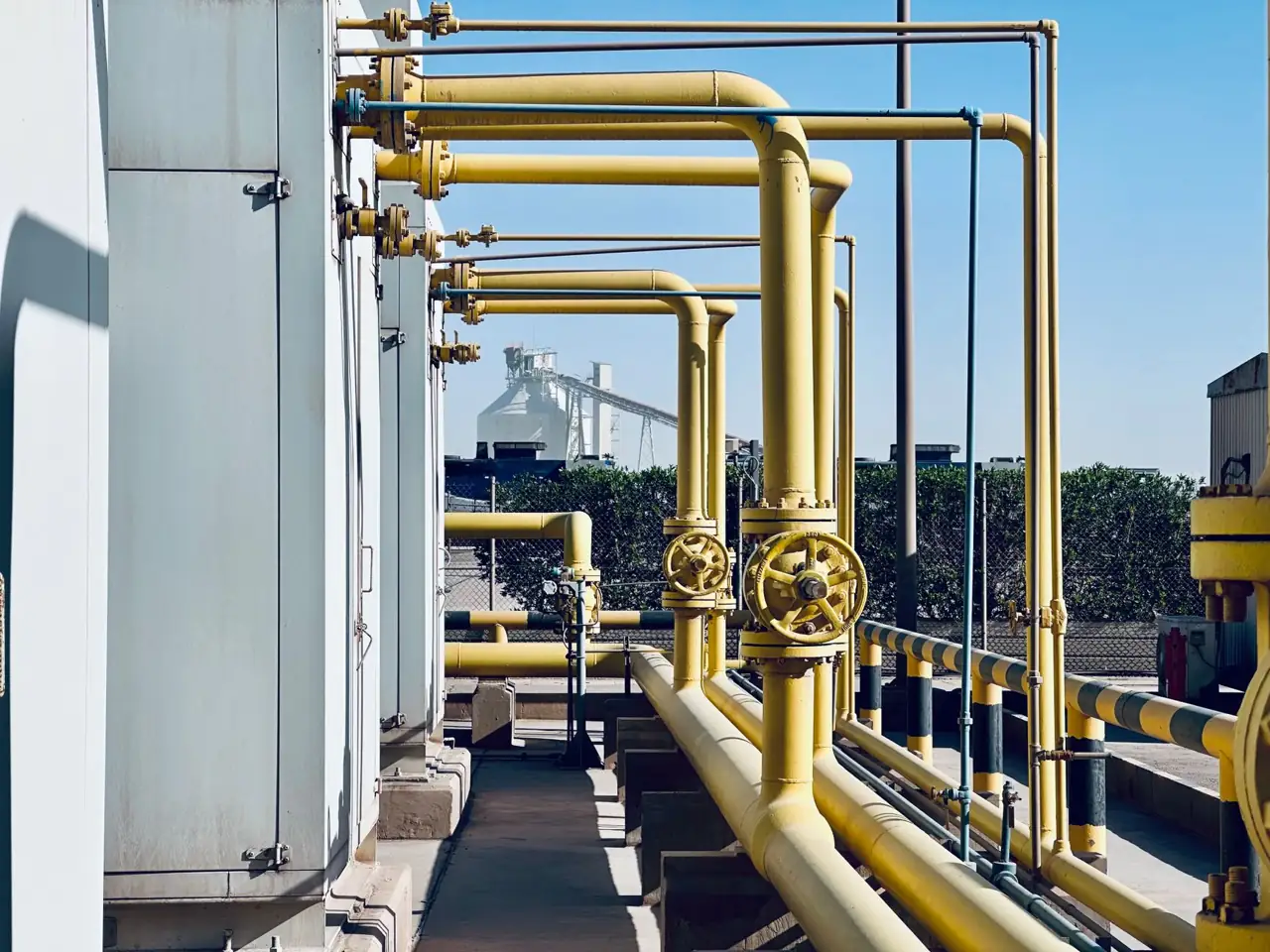
Crestflo supplies petrochemical and chemical operators across Philadelphia, PA and the Greater Philadelphia / Delaware Valley with instrumentation fittings and valves built for the region's actual service conditions: compression tube fittings, needle, ball, check, bleed and gauge-root valves, packless bellows and diaphragm valves, 2/3/5-valve manifolds and double-block-and-bleed assemblies, high-pressure cone-and-thread fittings and small-bore instrumentation tubing for the refineries and specialty-chemical plants along the Delaware River belt spanning southeast Pennsylvania, South Jersey and northern Delaware. We supply Philadelphia; we're not located there. Parts are drop-in for the major brands, offered in stainless and exotic alloys, and delivered in 6-8 weeks. These are instrumentation-grade fittings and valves for process, analytical and instrument-gas service. They aren't plumbing, hydraulic-mobile or carburetor components. A buyer sourcing petrochemical instrumentation fittings & valves in Philadelphia will find that Crestflo covers all the bases at once: petrochemical instrumentation fittings supplier, chemical instrument valves manufacturer, petrochemical tube fittings distributor and instrumentation fittings company serving the Delaware Valley process-industry market.
Also Known As: Petrochemical Tube Fittings, Chemical Instrument Valves & Process Manifolds
Petrochemical and chemical buyers around Philadelphia, Marcus Hook, Trainer and Delaware City know this hardware by several names. Process compression tube fittings also go by double-ferrule fittings, single-ferrule fittings, instrument tube fittings or just "tube fittings," and they're routinely written into plant specs against a competitor pattern such as Swagelok®, Parker A-LOK®/CPI®, Hoke® or Hy-Lok®. Chemical instrument valves cover needle, ball, check (NRV), bleed, gauge-root, plug and metering valves. Packless bellows and diaphragm valves get specified wherever fugitive-emission control or zero-leak stem sealing is required. Multi-port assemblies carry their own labels: 2-, 3- and 5-valve manifolds, monoflange valves, double-block-and-bleed (DBB) valves. Instrument hook-ups draw on 316/316L and exotic-alloy tubing, plus high-pressure cone-and-thread fittings on the higher-rated sampling and analyzer lines. Crestflo supplies the full petrochemical instrumentation range under all of these designations, acting as a supplier, manufacturer, distributor line card and OEM private-label source for the Philadelphia, PA refining and chemical-processing market.
Crestflo Petrochemical & Chemical Instrumentation Supply to Philadelphia: Served-Area Facts
| Attribute | Detail |
|---|---|
| Served market | Petrochemical, refining and chemical operators, EPC and fabrication contractors across Philadelphia, PA, the Greater Philadelphia / Delaware Valley and the Delaware River belt through South Jersey and northern Delaware; service, not a local location |
| Dominant service condition | Sour / high-sulfur crude and H2S refining service, crude, coker and hydrotreater lines running a heavy sour slate, as the defining local driver, with aggressive acid/halide specialty-chemical and chloride river-water cooling service as concurrent drivers |
| Recommended alloys | 316/316L, Duplex 2205 / Super Duplex 2507, Inconel 625 / Incoloy 825 for NACE sour service; Hastelloy C-276 / C-22, Alloy 20, Monel 400 and 254 SMO for aggressive acid/halide chemistry; 254 SMO / AL-6XN / super-duplex for chloride cooling water; 316/316L for general process lines |
| Governing standards | NACE MR0175 / ISO 15156 (sour service); ASME B16.34 and API (valve pressure-temperature qualification); ASTM A269 / A213 (tubing); ASTM A276 / A479 (bar & forgings); ASTM F1387 (fitting interchange); EN 10204 3.1/3.2 traceability |
| Products sourced | Compression tube fittings, needle/ball/check/bleed valves, bellows & diaphragm valves, 2/3/5-valve manifolds, DBB & monoflange valves, high-pressure cone-and-thread fittings, instrumentation tubing |
| Industries served | Petroleum refining and specialty chemicals, crude and jet-fuel refining, polypropylene and propylene production, ethylene-oxide / ethoxylation surfactant chemistry, plus the wider Delaware Valley chemical-intermediates base |
| Nearest US port | Port of Philadelphia (PhilaPort) on the Delaware River, a 45-ft channel handling vessels to ~16,200 TEU at Packer Avenue and the new SouthPort berths, served by CSX and Norfolk Southern intermodal rail |
| Delivery framing | Ready stock for standard items · made-to-order for specials · 6–8 week delivery |
| Origin | Indian origin; US / European melt available on request, with full material traceability |
| Certifications | ISO 9001 / 14001 / 45001 & PED certified; EN 10204 3.1 MTC standard, 3.2 on request |
Philadelphia's Petrochemical & Refining Sector We Serve: the Delaware Valley Refining & Chemical Belt
Greater Philadelphia's petrochemical instrumentation demand centers on the Delaware River refining-and-chemical belt, a mature process cluster that runs along the river through southeast Pennsylvania, South Jersey and northern Delaware. This is downstream refining and specialty-chemical process-instrumentation demand, not an upstream drilling basin. Crestflo engineers to the real service conditions of the region's named operators.
The Monroe Energy Trainer Refinery sits on the Delaware River about fifteen miles southwest of the city. It runs roughly 185,000 barrels per day, belongs to Delta Air Lines' Monroe Energy subsidiary, and is configured to maximize jet-fuel yield. It's a core downstream instrumentation driver. Across the state line, the PBF Energy Delaware City Refinery runs roughly 180,000-190,000 barrels per day and ranks among the largest and most complex refineries on the East Coast. Its heavy, high-sulfur crude slate moving through FCC, fluid-coker and hydrocracker units makes it the region's strongest sour-service and corrosion-resistant-alloy driver.
Specialty chemistry rounds out the belt. Braskem at Marcus Hook operates a polypropylene plant with an adjacent propylene splitter, built on the former Sunoco refinery site. Croda at Atlas Point near New Castle, Delaware runs a century-old ethylene-oxide/ethoxylation and bio-based surfactant plant. Demand flows from petrochemical and chemical EPC and fabrication contractors, plant MRO and turnaround teams, skid and analyzer-panel fabricators, and OEM valve builders serving these facilities.
One factual note: the former Philadelphia Energy Solutions (PES) refinery in South Philadelphia has been permanently closed since the June 2019 fire and is being redeveloped as the Bellwether District. It isn't an active refinery, and Crestflo doesn't spec it as one. These facilities are cited here as regional operating conditions Crestflo specs for. They aren't claims of supply relationship or endorsement.
Sour Crude, Acid/Halide Chemistry & Chloride Cooling Service → the Right Alloy & Spec
Delaware Valley work is sour-service corrosion first, specialty chemistry second. Alloy choice needs to fit the specific stream; it shouldn't just default to 316. Sour, high-sulfur crude drives most of it: PBF Delaware City's heavy sour slate, along with the region's crude, coker and hydrotreater service, carries H₂S, and wetted parts there face sulfide stress cracking (SSC) and hydrogen-induced cracking (HIC/SOHIC). The fix is NACE MR0175 / ISO 15156-compliant fittings and valves in 316/316L, Duplex 2205 or Super Duplex 2507, plus Inconel 625 / Incoloy 825 where H₂S partial pressure calls for it, all hardened-ferrule and heat-number marked with EN 10204 3.1/3.2 MTCs for service wherever H₂S shows up. There's an aggressive ring of acid and halide chemistries around that core problem. The ethylene-oxide, ethoxylation and surfactant streams at Croda, along with propylene / polypropylene service at Braskem, need Hastelloy C-276 or C-22, Alloy 20, Monel 400 or 254 SMO, matched to whichever chemistry is actually wetting the metal. Chloride from the Delaware River and brackish makeup water in plant cooling and utility loops causes pitting and stress-corrosion cracking; high-PREN 254 SMO, AL-6XN and super-duplex hold up far better than plain 316/316L there. Plain 316/316L still works fine for general, cooler process and instrument loops. Below, each condition maps to its alloy and governing standard.
| Delaware Valley service condition | Failure risk | Recommended alloy(s) | Governing standard | Crestflo product form |
|---|---|---|---|---|
| Sour / high-sulfur crude & H₂S refining service (crude, coker, hydrotreater) | Sulfide stress cracking (SSC), HIC / SOHIC | 316/316L, Duplex 2205, Super Duplex 2507, Inconel 625/825 by partial pressure | NACE MR0175 / ISO 15156; EN 10204 3.1/3.2 | Compression & cone-and-thread fittings, needle & manifold valves, DBB |
| Aggressive acid / halide & oxidizer chemistry (EO / ethoxylation, surfactants, propylene) | Pitting, crevice & oxidizing chemical attack | Hastelloy C-276, Hastelloy C-22, Alloy 20, Monel 400, 254 SMO | ASTM A276 / A479; ASME B16.34 / API (valves) | Tube fittings, bellows & diaphragm valves, manifolds |
| Strong-acid & spent-acid process streams | General acid attack, intergranular corrosion | Alloy 20, Hastelloy C-276, 904L | ASTM A276 / A479; ASME B16.34 / API (valves) | Tube fittings, ball & check valves, bleed valves, manifolds |
| Chloride river & brackish cooling / makeup water | Chloride pitting, crevice corrosion, chloride SCC | 254 SMO, AL-6XN, Super Duplex 2507, Duplex 2205 (target PREN >40) | ASTM A276 / A479; ASTM A269 / A213 (tubing) | Tube fittings, ball & check valves, manifolds, tubing |
| General / cooler process & instrument loops | General corrosion; standard process wear | 316/316L austenitic stainless | ASME B16.34 / API (valves); ASTM A269 / A213 (tubing) | Tube fittings, needle & bleed valves, instrumentation tubing |
Check the Inconel 625 and Inconel 825 pages for sour service. For partial-pressure sour and chloride duty, look at the Duplex 2205 and Super Duplex 2507 pages. Aggressive acid and halide chemistry is covered on the Alloy 20, Hastelloy C-276, Hastelloy C-22 and Monel 400 pages, and chloride cooling-water duty sits on the 254 SMO and AL-6XN pages. The workhorse grade lives on the 316/316L material page.
For the selection logic itself, work through the material selection by service guide and the sour-service NACE selection guide. By standard, there's NACE MR0175, ASME B16.34 and EN 10204 MTC.
This is where Delaware Valley buyers specify NACE nickel and duplex for the Delaware City sour slate. It's also where they turn to Hastelloy and Alloy 20 for Croda and Braskem acid-halide chemistry, and to high-PREN 6Mo and duplex grades for chloride river cooling water. Values follow the applicable standard and can be tailored to requirement. Confirm the wetted-service condition against your plant spec before finalizing anything.
Petrochemical Products Philadelphia Chemical Buyers Request Most
Crestflo works with every kind of buyer sourcing petrochemical instrumentation hardware in Philadelphia: master distributors and distributors building out a line card, equipment manufacturers designing process skids to print, OEMs that need private label, and end users too, plant MRO and turnaround teams, petrochemical EPC and fabrication contractors, and analyzer-panel fabricators, all needing a fast RFQ on petrochemical tube fittings for Philadelphia, PA and the wider Delaware Valley. That's what makes Crestflo a petrochemical tube fittings supplier, a petrochemical instrumentation valves manufacturer and distributor, a needle valve supplier and a manifold valve supplier for chemical instrument valves in Philadelphia. It's also an instrumentation tubing supplier for the Delaware River refineries and chemical plants.
| Product line | Typical Delaware Valley use | Source |
|---|---|---|
| Compression tube fittings | Single- and double-ferrule connections on process, sample and impulse lines, up to 2" OD | Tube fittings |
| Needle & bleed valves | Gauge-root, transmitter hook-up and bleed service on process instrument loops | Needle valve · bleed valve |
| Ball & check valves | Isolation and non-return service on process and instrument-gas lines | Ball valve · check valve |
| Bellows & diaphragm valves | Packless, low-emission stem sealing for sour, acid and volatile chemical service | Bellows valve · diaphragm valve |
| DBB & 2/3/5-valve manifolds | Transmitter isolation and block-and-bleed on process instrument installations | Double-block-and-bleed valve · 5-valve manifold |
| High-pressure cone-and-thread fittings | Higher-rated sampling and analyzer lines, working pressure up to 30,000 PSI per design | Cone and thread fittings |
Philadelphia petrochemical buyers can also source each line directly for the state: instrumentation valves, tube fittings, ball valves, check valves, needle valves, manifold valves, high-pressure fittings and tubing. Petrochemical instrumentation buyers across Pennsylvania can pull the full line from anywhere in the state. For the engineering depth behind this page, check the national petrochemical & chemical instrumentation hub, run by Crestflo, along with the downstream refining hub.
Getting Petrochemical Parts to Philadelphia: Lead Time & Delaware River Port Logistics
Crestflo makes its instrumentation in India and keeps no US warehouse. For a Philadelphia petrochemical buyer, the pitch is straightforward: ready stock on standard items, made-to-order for specials, and 6–8 week delivery. Compare that to the 20-plus weeks typical of the major suppliers. Philadelphia isn't like inland metros, it has an ocean gateway right on its doorstep. The Port of Philadelphia (PhilaPort) sits on the Delaware River, and its 45-foot channel now handles vessels up to roughly 16,200 TEU at the Packer Avenue Marine Terminal. New SouthPort berths are adding still more capacity. Shipments from India can move via the Suez, Mediterranean, US East Coast lane straight into Philadelphia, or through other East Coast or Gulf ports depending on the carrier. From there, cargo rides CSX or Norfolk Southern intermodal rail, with a short truck haul finishing the trip to plants in the Delaware Valley.
| Stage | Detail | Time |
|---|---|---|
| RFQ to engineered quote | Process spec review, alloy and MTC confirmation | ~24–48 hours |
| Manufacture | Ready stock for standard items; made-to-order for NACE sour-service and acid/halide alloy specials | 6–8 weeks |
| Inbound & final delivery | Ocean import via PhilaPort on the Delaware River, then CSX/Norfolk Southern rail and short dray into the Greater Philadelphia / Delaware Valley corridor, with air freight for critical line items | Transit + short haul |
Best fit here is planned turnaround work, capital projects, and replenishment buys at the Delaware Valley refineries and chemical plants, not same-day counter service. Ocean and local dray transit into the Delaware Valley adds on top of the 6–8 week build. Standard product comes from India and isn't TAA-compliant, though Crestflo can supply US or European melt on request, with full material traceability, when a domestic-melt or TAA basis is needed. See US-origin compliance and lead time.
Why Crestflo for Philadelphia Petrochemical & Chemical Buyers
Crestflo is the instrumentation division of a four-decade-old, Government-of-India-recognized export house with a delivery track record across the Middle East, brought to the US market as a drop-in, alloy-ready supplier. For Philadelphia petrochemical buyers, that means 6-8 week delivery against 20+ weeks from the incumbents. It also means ASTM F1387-backed dimensional interchange for Swagelok, Parker, Hoke and Hy-Lok tube-fitting patterns, and a wide range of high-nickel and corrosion-resistant alloys besides. NACE-compliant Inconel 625/825 and Duplex 2205/2507 cover the Delaware City sour slate. Hastelloy C-276/C-22, Alloy 20 and Monel 400 handle aggressive acid and halide chemistry at Croda and Braskem. High-PREN 254 SMO, AL-6XN and duplex grades take on chloride river cooling water. 316/316L round things out for general process lines. Small minimum order quantities come with private-label and made-to-print capability, and every part carries heat-number traceability with EN 10204 3.1/3.2 MTCs. Crestflo compression tube fittings are tested to ASTM F1387, the performance-qualification standard for compression tube fittings that anchors interchange with the majors, and they're stated NACE MR0175-compliant for sour service. Instrument valves qualify to ASME B16.34 and the applicable API standards (not F1387, which governs fittings). Manifolds get a 100% seat and shell leak test. Crestflo holds ISO 9001 / 14001 / 45001 and PED certification; certificates are kept on file and available through the quality and traceability pages, stated as conformance to the standard approvals applicable to each product type. We Engineer Confidence.
Who We Supply Across the Delaware Valley
Crestflo supports the full buyer chain for petrochemical and chemical instrumentation in Philadelphia. Master distributors and distributors can request a line card and stocking terms through the distributor program. Equipment manufacturers and OEMs building process skids and analyzer panels get made-to-print work, kitting and private-label support. Plant MRO, turnaround, EPC and panel-fabrication buyers get a fast RFQ, samples and spec help. Crestflo fittings interchange dimensionally with the major brands and are backed by ASTM F1387. Request your Swagelok® or Parker® cross-reference from the engineering team rather than working from a fixed part-number chart. Datasheets and CAD models are available to customers on request.
Request a Quote for Petrochemical & Chemical Instrumentation in Philadelphia
Request a quote for petrochemical and chemical instrumentation fittings and valves in Philadelphia through request a quote, or start with a sample request. Engineered quotes usually come back within 24–48 hours. Reach US sales at sales@crestflousa.com or +1 346 594 9005. Crestflo also serves instrumentation supply across Pennsylvania and in Philadelphia, PA.
Philadelphia Petrochemical & Chemical Instrumentation FAQ
Do you stock instrumentation fittings in Philadelphia, Marcus Hook or Delaware City?
Crestflo doesn't have a US warehouse yet, though it manufactures to serve the US market. Standard items ship from ready stock; alloy and sour-service specials get made to order. Either way, delivery to your Greater Philadelphia or Delaware Valley site or distributor runs 6–8 weeks. Compare that to the 20+ weeks you'll typically wait on the major brands.
Locally, the Port of Philadelphia (PhilaPort) on the Delaware River serves as the ocean gateway. CSX and Norfolk Southern rail connect it, with short dray runs reaching southeast Pennsylvania, South Jersey and northern Delaware.
Can you supply NACE MR0175 fittings and valves for the Delaware Valley refineries?
Yes. NACE MR0175/ISO 15156-compliant compression fittings, needle and ball valves, and 2/3/5-valve manifolds, all in 316L, Duplex 2205/2507, and Inconel 625/Incoloy 825, sized for crude, coker, and hydrotreater service. Every piece gets heat-number marking with an EN 10204 3.1 MTC, and 3.2 is available on request. PBF's Delaware City refinery runs a heavy, high-sulfur crude slate, genuinely sour, with H₂S present throughout the unit, and that's exactly why NACE selection on instrumentation and valve internals can't be an afterthought.
Which alloy do you recommend for aggressive chemical service at Marcus Hook or Croda Atlas Point?
Chemistry-specific, Hastelloy C-276/C-22 for acid, halide and oxidizer service, Alloy 20 or Monel 400 for other streams, and 254 SMO where chlorides drive pitting. Crestflo offers all of these across instrumentation fittings and valves. We help you select per your exact process stream, with values set to the applicable standard and open to customization as required.
Are your fittings drop-in replacements for Swagelok or Parker used across Philadelphia plants?
Yes, dimensional interchange is backed by ASTM F1387 performance qualification, in both imperial and metric, single or double ferrule. Swagelok® is a trademark of Swagelok Company; Crestflo is an independent equivalent, not affiliated with Swagelok. Ask the engineering team for your cross-reference rather than working from a fixed part-number chart.
What's the real lead time to a Philadelphia jobsite versus the majors?
RFQ to ship typically runs 6-8 weeks, plus ocean transit into PhilaPort and local dray, compared with 20+ weeks for the majors on alloy and made-to-print orders. Critical line items can move by air while the rest ships ocean and drays into the Delaware Valley.
What is the country of origin, and is it TAA-eligible?
Standard product comes from India and isn't TAA-compliant. US or European melt is available on request, with full material traceability, if you need a domestic-melt or TAA basis, see the US-origin compliance page.
Related Pages
- Petrochemical & chemical instrumentation
- Downstream refining instrumentation
- Material selection by service
- Sour-service NACE selection guide
- Inconel 625 material page
- Duplex 2205 material page
- Alloy 20 material page
- NACE MR0175 sour-service standard
- ASME B16.34 valve standard
- EN 10204 material test certificates
- Instrumentation fittings & valves in Philadelphia, PA
- Instrumentation fittings & valves across Pennsylvania
- Swagelok® alternative & cross-reference
- Request a quote